THE WAKERS
Research

The WAKers

Research

Research

Research programmes

Four concise programmes reflect the lab’s focus: microenvironment signalling, organoid‑based disease modelling, genetic drivers (PTEN/TP53), and translational repurposing/validation.
01

Tumour microenvironment and signalling

How do microenvironmental signals and inflammatory crosstalk with epithelial genetic lesions to enable invasion, EMT and therapy resistance?

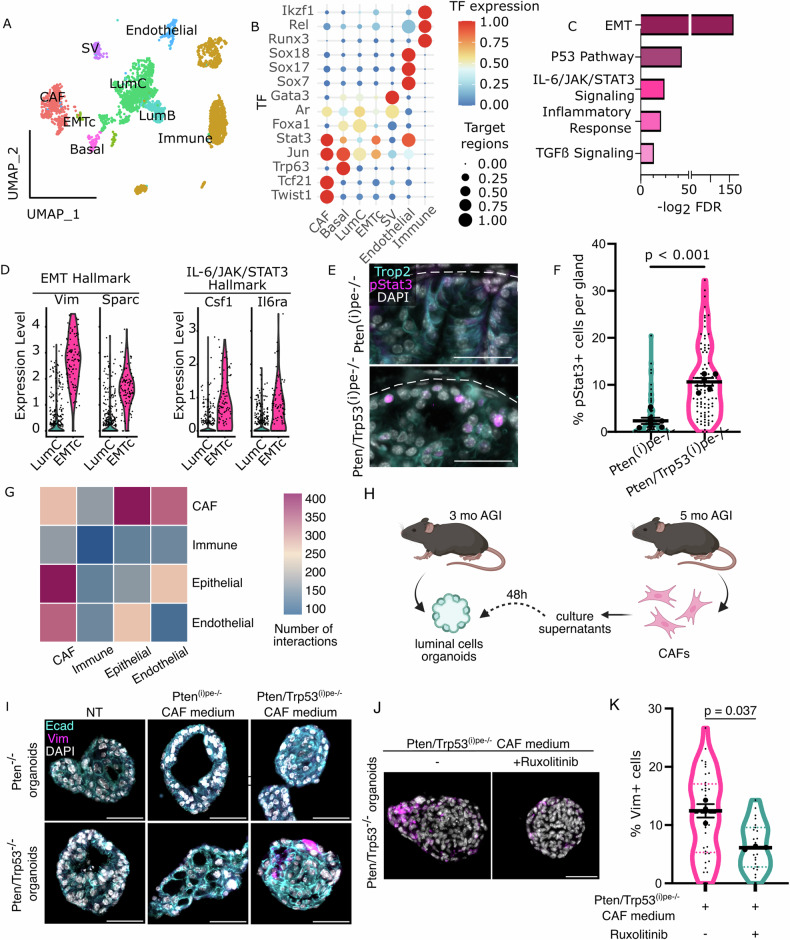
The lab studies cellular crosstalk between tumour epithelium and stromal/immune cells, emphasising signalling axes that promote epithelial‑to‑mesenchymal transition (EMT), plasticity and stem‑like states. We use genetically defined mouse models and co‑culture systems to map paracrine interactions and identify targetable nodes.

We combine mouse genetics with organoid and ex‑vivo assays to test how inflammatory, TGFβ and growth‑factor signalling reshape tumour cell identity and therapeutic response. Findings are translated using patient‑derived material where possible to validate clinical relevance.
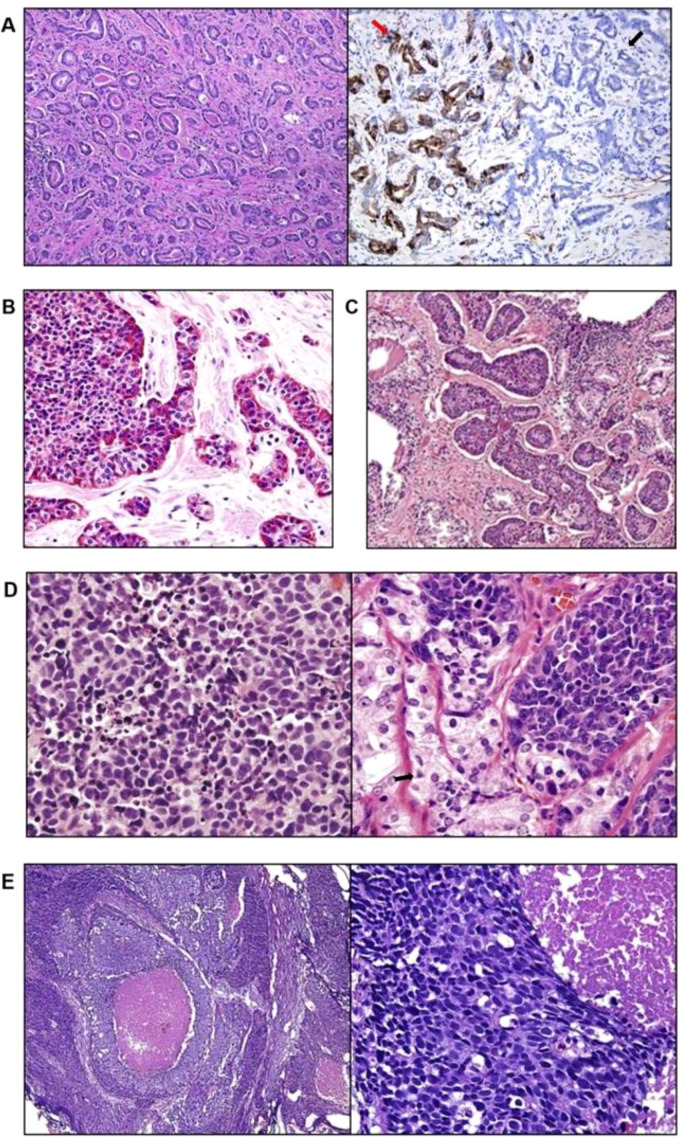
Histological and marker evidence of EMT and transformed regions from the PB‑Cre;Ptenfl/fl;TP53fl/fl prostate model (figure from PubMed Central).
02

Patient‑derived organoid models

Can patient‑derived 3D cultures reproduce clinical diversity and predict treatment response?

We establish organoid cultures from primary patient tissue and optimise conditions to maintain epithelial lineages and malignant clones. Organoids permit functional assays of growth‑factor dependency, drug response and lineage plasticity while preserving patient‑specific features.

Organoid pipelines are used to derive matched 2D primary cell cultures and to perform transcriptomic and drug‑screening experiments that inform candidate repurposed therapeutics and biomarkers for follow‑up in vivo studies.

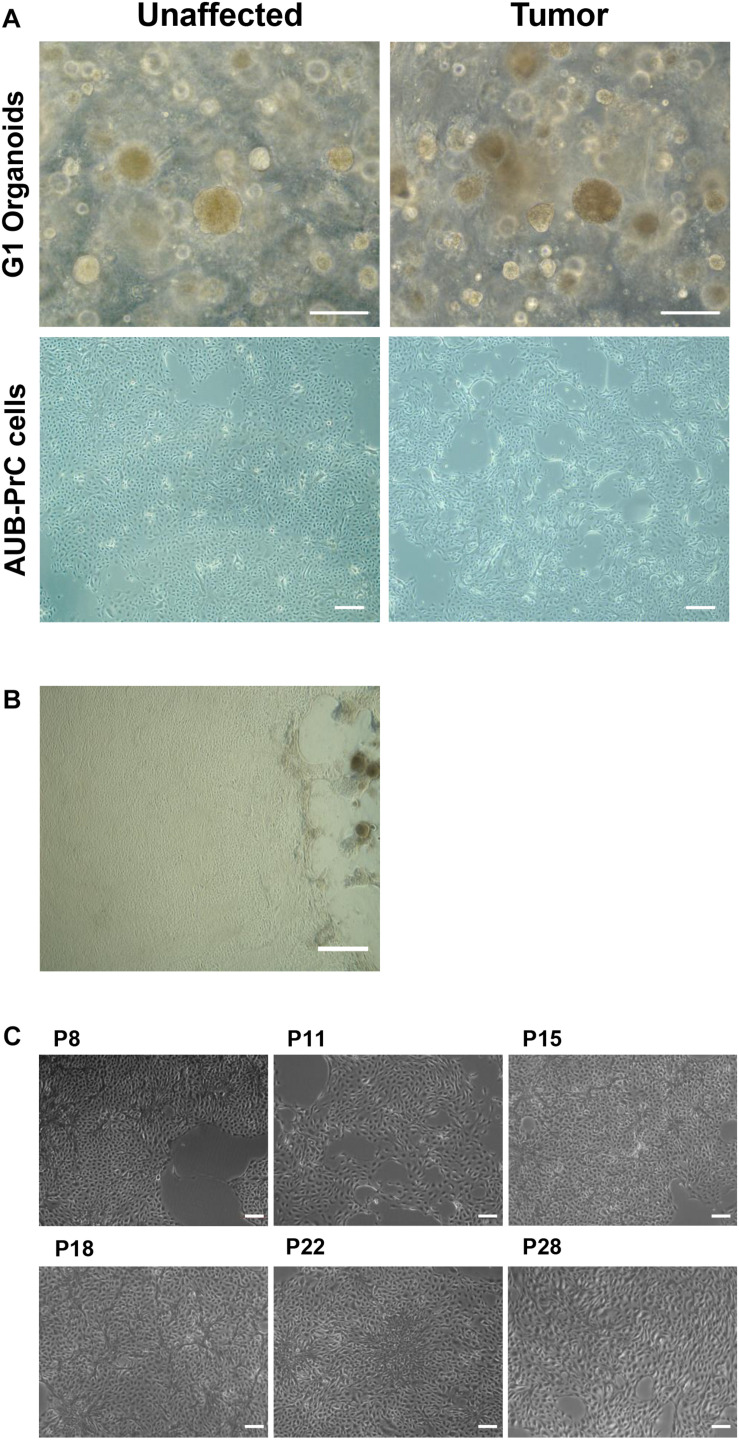
Patient‑derived prostate organoids and immunofluorescence characterisation (figure from Frontiers / PubMed Central).
03

Roles of PTEN / TP53 loss in prostate cancer

What cellular programmes are unleashed by combined PTEN and TP53 loss that favour tumour initiation and castration resistance?

Work from the PI and collaborators in mouse genetic models has characterised how combined loss of Pten and TP53 expands multipotential progenitors, drives EMT and creates features shared with castration‑resistant disease. We interrogate the downstream signalling pathways and cell‑state transitions responsible for therapy resistance.

Ongoing projects combine lineage tracing, sphere‑formation and transplantation assays with single‑cell profiling to map the hierarchy of tumour‑initiating cells and to nominate molecular vulnerabilities for therapeutic targeting.

Functional sphere assays and progenitor expansion in Pten/TP53 null prostate (figure from Stem Cells, PubMed Central).
04

Translational cancer modelling and drug repurposing

How can robust pre‑clinical models accelerate identification of existing drugs with new activity against aggressive prostate cancer?

The lab uses matched model systems — organoids, primary 2D cultures and mouse grafts — to prioritise compounds for translational testing. Studies include mechanism‑of‑action experiments and biomarker discovery to allow rational patient selection.

We emphasise rigorous cross‑validation of hits across platforms and seek collaborations with clinicians and funders to design early translational studies that could lead to clinical testing in the region and beyond.

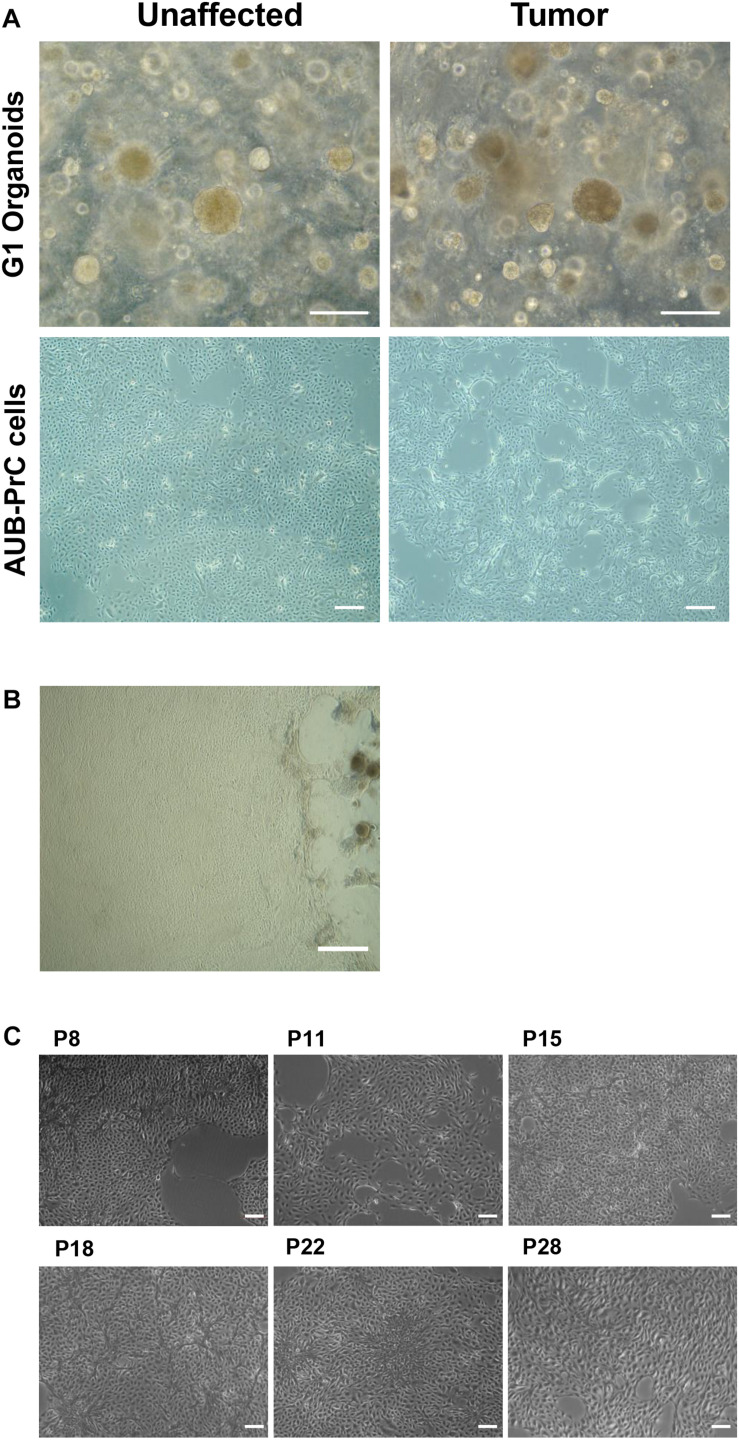
Drug response and lineage marker changes in patient‑derived prostate cultures (figure from Frontiers / PubMed Central).